

Choosing Filtering Shades for Your Home
Natural light makes a home feel welcoming and alive. In communities throughout Westfield, Berkeley Heights, Chatham, Livingston, and the surrounding Golden Triangle area, many homes feature large windows designed to bring sunlight indoors. While natural light enhances the beauty of your space, managing that light properly is just as important so having the right filtering shades is necessary.
Too much direct sunlight can cause glare, uneven lighting, and fading furniture. That is why many homeowners turn to light-filtering window treatments. These shades soften incoming sunlight while maintaining the bright atmosphere homeowners love.
If you want a deeper explanation of how these fabrics work, you can read our related article, Enhance Natural Light with Light-Filtering Shades. In this guide, we will focus on how to choose the right light-filtering shades for your home and lifestyle.
Why Light Control Matters in Golden Triangle Homes
Homes in the Golden Triangle region often feature large windows that allow beautiful natural light to flow into living spaces. While this creates bright interiors, it also introduces challenges. Strong afternoon sunlight can create glare on screens, raise indoor temperatures, and damage flooring or upholstery.
Light-filtering shades help solve these problems. Their specialized fabrics diffuse sunlight before it enters the room. Instead of harsh beams of light, the room receives a soft glow that feels balanced and comfortable.
This approach preserves daylight while improving comfort throughout your home.
What Makes Light-Filtering Shades Different?
Not all soft-light sheer window coverings handle light the same way. Traditional blinds often block or redirect sunlight. Blackout shades eliminate nearly all light. Daylight-filtering blinds offer a middle ground.
These shades allow natural light to pass through carefully designed fabrics. The material spreads sunlight evenly throughout the space. This reduces glare while maintaining a bright atmosphere.
Homeowners who want to keep their rooms naturally lit often prefer this solution. If you would like to understand the full benefits of this technology, you can learn more in our previous guide about enhancing natural light with light-filtering shades.
Popular Light-Filtering Shade Options
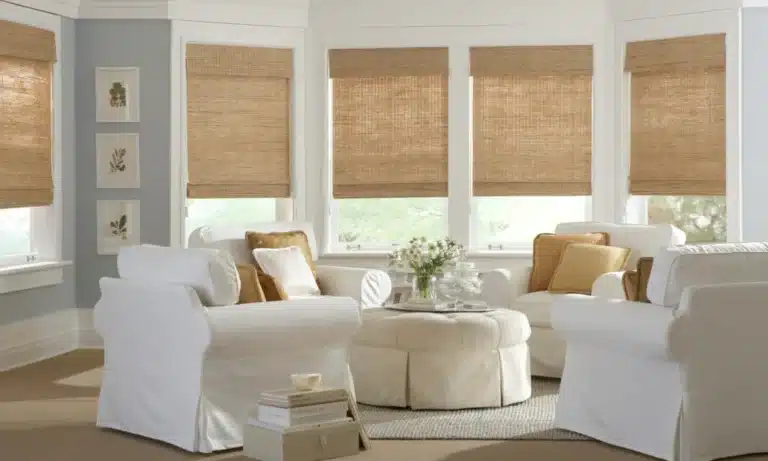
Several soft-light window treatment styles offer excellent light-filtering performance. Each option provides a different look and level of flexibility.
Roller Shades
Roller shades are one of the most popular modern window treatments. Their sleek design works well in both contemporary and traditional homes.
These shades use a single panel of fabric that rolls smoothly along the top of the window. Light-filtering fabrics soften sunlight while keeping the room bright and comfortable.
Roller shades are especially popular in living rooms, kitchens, and offices where homeowners want glare reduction without sacrificing natural light.
Cellular Shades
Cellular shades provide excellent light diffusion and energy efficiency. Their honeycomb-shaped structure traps air inside small pockets, creating insulation for your windows.
These shades help maintain comfortable indoor temperatures while still allowing filtered sunlight to enter the room. This makes cellular shades a great choice for homeowners who want to balance natural light with energy savings.
Sheer Shades
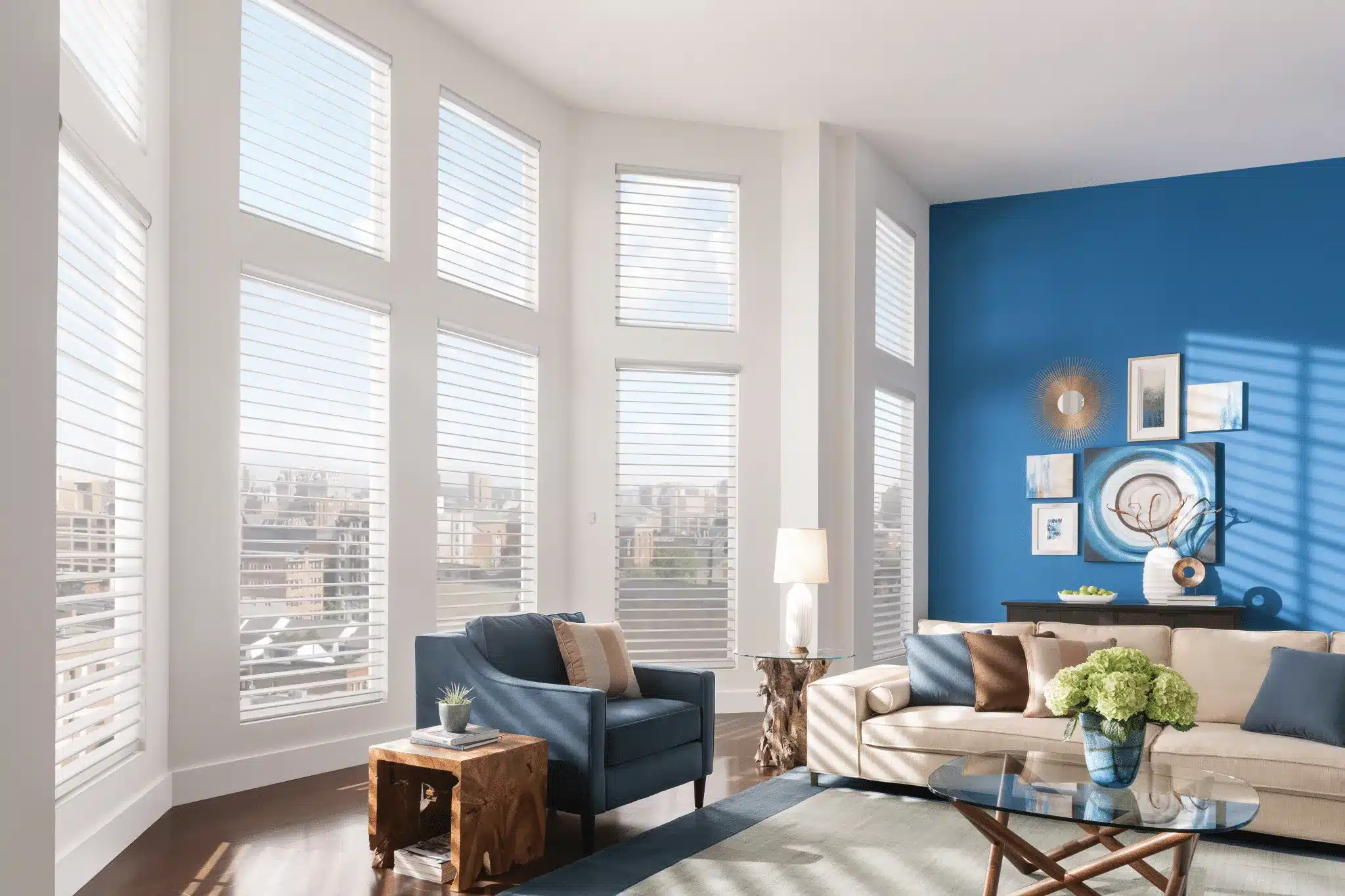
Sheer shades combine the softness of sheer fabric with the functionality of traditional blinds. Fabric vanes float between two sheer panels, allowing you to adjust how much light enters the room.
When open, sheer shades allow natural light to flow beautifully into the space. When tilted, they offer increased privacy and glare reduction. Their elegant design makes them a favorite in living rooms and dining areas.
Zebra Shades
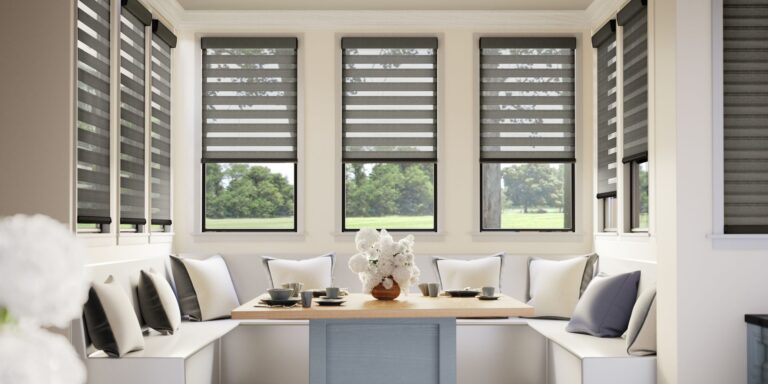
Zebra shades, sometimes called dual shades, use alternating bands of sheer and solid fabric. This design allows homeowners to shift between filtered light and privacy with a simple adjustment.
Zebra shades are popular in modern homes because they combine style with precise light control.
Roman Shades
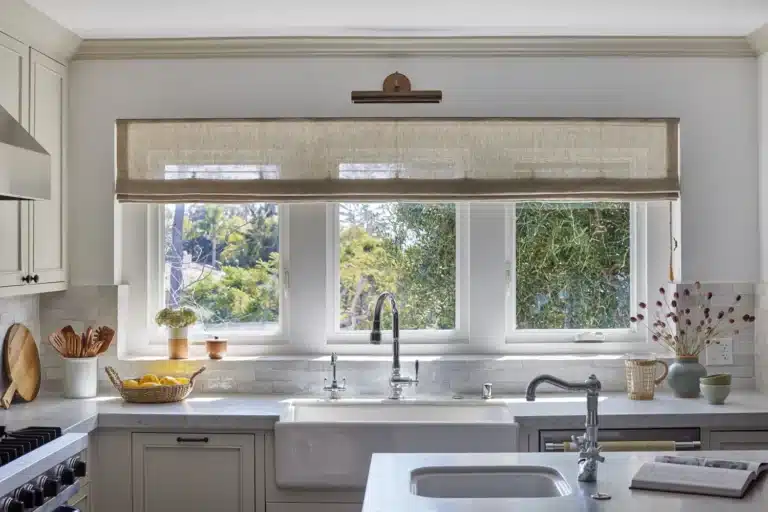
Roman shades bring a softer, more traditional look to UV-friendly shades. Their fabric folds create elegant texture while still allowing filtered sunlight to enter the room.
Many homeowners choose Roman shades when they want a decorative solution that complements classic interior design styles.
How to Choose the Right Fabric Opacity
When selecting light-filtering shades, fabric opacity plays an important role. Some fabrics allow more light through than others. Choosing the right opacity helps create the lighting environment you want.
Lighter fabrics produce a brighter glow and allow more daylight into the room. Medium-opacity fabrics soften sunlight while offering better privacy. Darker light-filtering fabrics reduce glare more effectively while still maintaining natural brightness.
A professional design consultation can help determine the best option for your space.
Matching Shades to Each Room
Every room in your home interacts with sunlight differently. The right shade style should match the function of the room.
Living Rooms
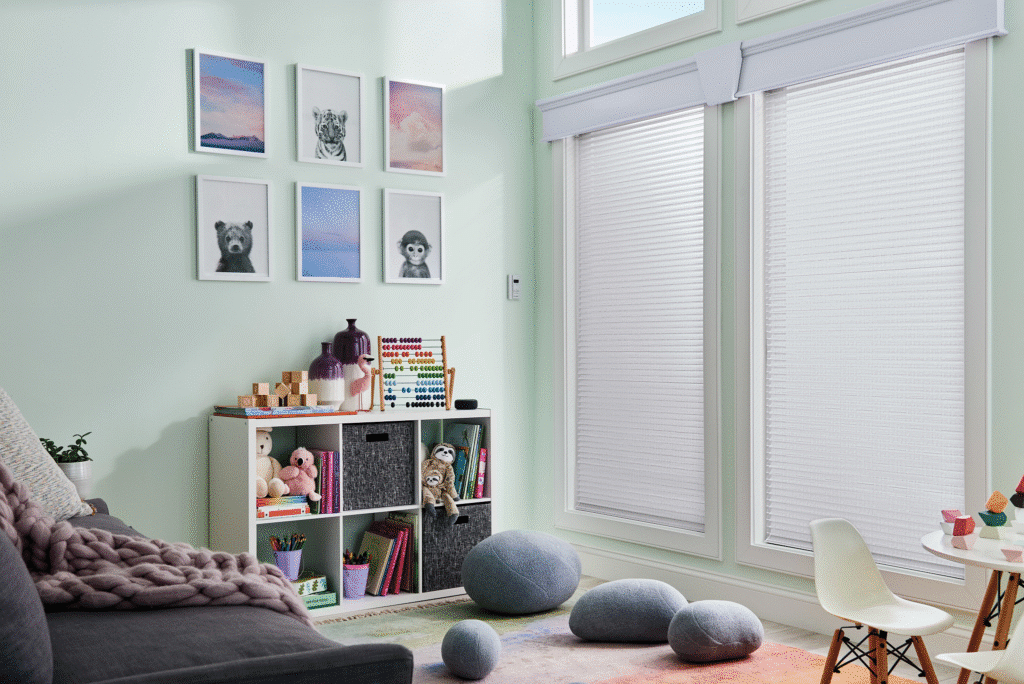
Living rooms benefit from bright daylight. Homeowners often choose sheer shades or zebra shades to maintain views while controlling glare.
Kitchens
Kitchens receive strong daylight throughout the day. Roller shades offer easy operation and excellent glare reduction while maintaining a clean appearance.
Bedrooms
Bedrooms often require flexible filtered light solutions. Many homeowners choose light-filtering fabrics for daytime brightness and pair them with drapery for nighttime privacy.
Home Offices
Glare can disrupt productivity in home offices. Light-filtering fabrics help soften sunlight so screens remain easy to view throughout the day.
The Benefits of Motorized Shades
Modern homes increasingly feature motorized window treatments. Motorized shades allow homeowners to control lighting with a remote, smartphone app, or voice command.
Motorization is especially useful for homes with large windows or multiple shades in one room. Adjusting sunlight throughout the day becomes effortless.
Many Golden Triangle homeowners combine motorization with roller shades or cellular shades to create a seamless smart home experience.
Custom Window Treatments Make the Difference
Every home has unique lighting conditions. Window size, orientation, and surrounding landscaping all influence how sunlight enters your space.
Custom window treatments ensure the best results. Shades are measured and manufactured specifically for your windows, ensuring proper fit and smooth operation.
At Made in the Shade Golden Triangle, design consultants bring product samples directly to your home. This allows you to see how fabrics interact with your natural lighting before making a decision.
If you would like more insight into how filtered sunlight improves interior spaces, be sure to explore our related article on enhancing natural light with light-filtering shades.
Why Homeowners in the Golden Triangle Love Light-Filtering Shades
Homes in Westfield, Summit, Short Hills, and nearby communities often feature beautiful architecture and large windows. Light-filtering shades enhance these design features by allowing daylight to highlight interior décor.
These shades help reduce glare, protect furniture, and maintain privacy without making rooms feel dark. They also provide a clean, modern look that complements many home styles.
Because they balance light control with visual comfort, light-filtering shades continue to grow in popularity among homeowners throughout the Golden Triangle area.
Request a Free Consultation
If you are considering new window treatments for your home, our team is ready to help. Made in the Shade Golden Triangle offers professional design guidance, product selection, measuring, and installation.
We bring the showroom to your home so you can compare fabrics, colors, and styles in your own lighting environment.
Ready to upgrade your windows? Request a Free Consultation today.
Discover how the right light-filtering shades can enhance natural light while improving comfort, style, and energy efficiency throughout your home.